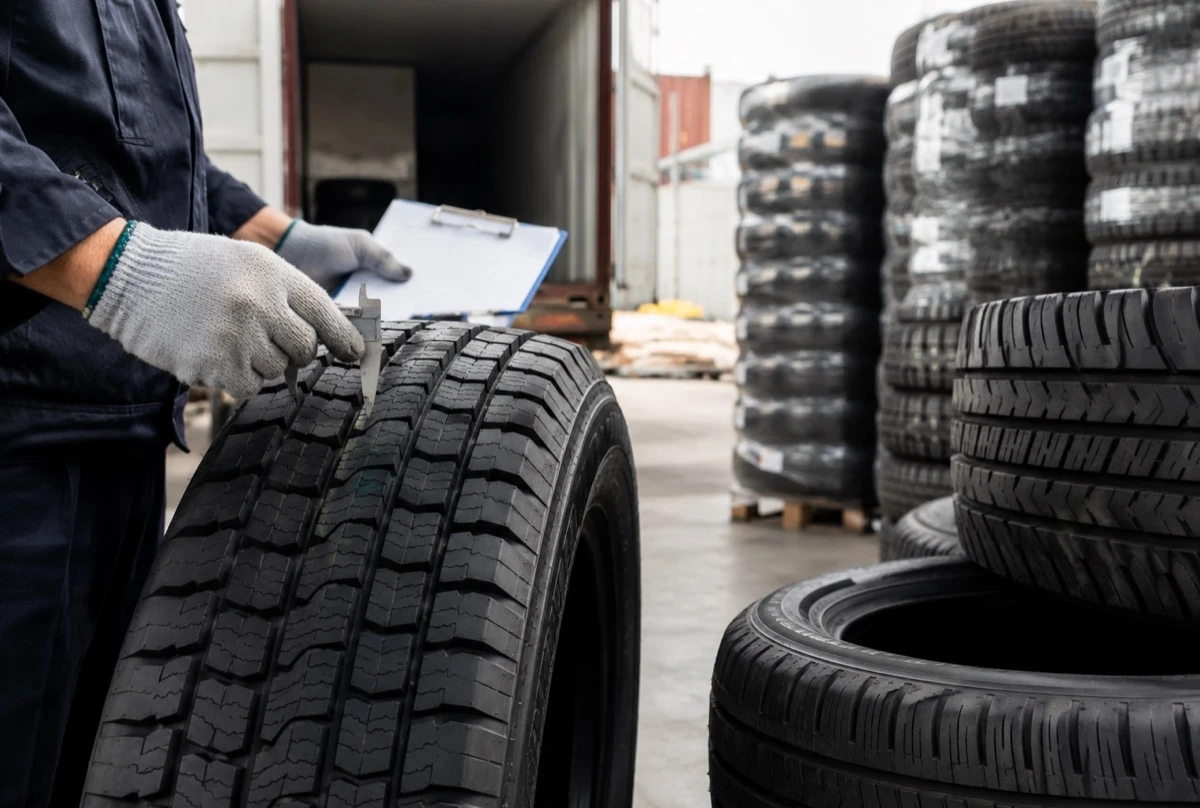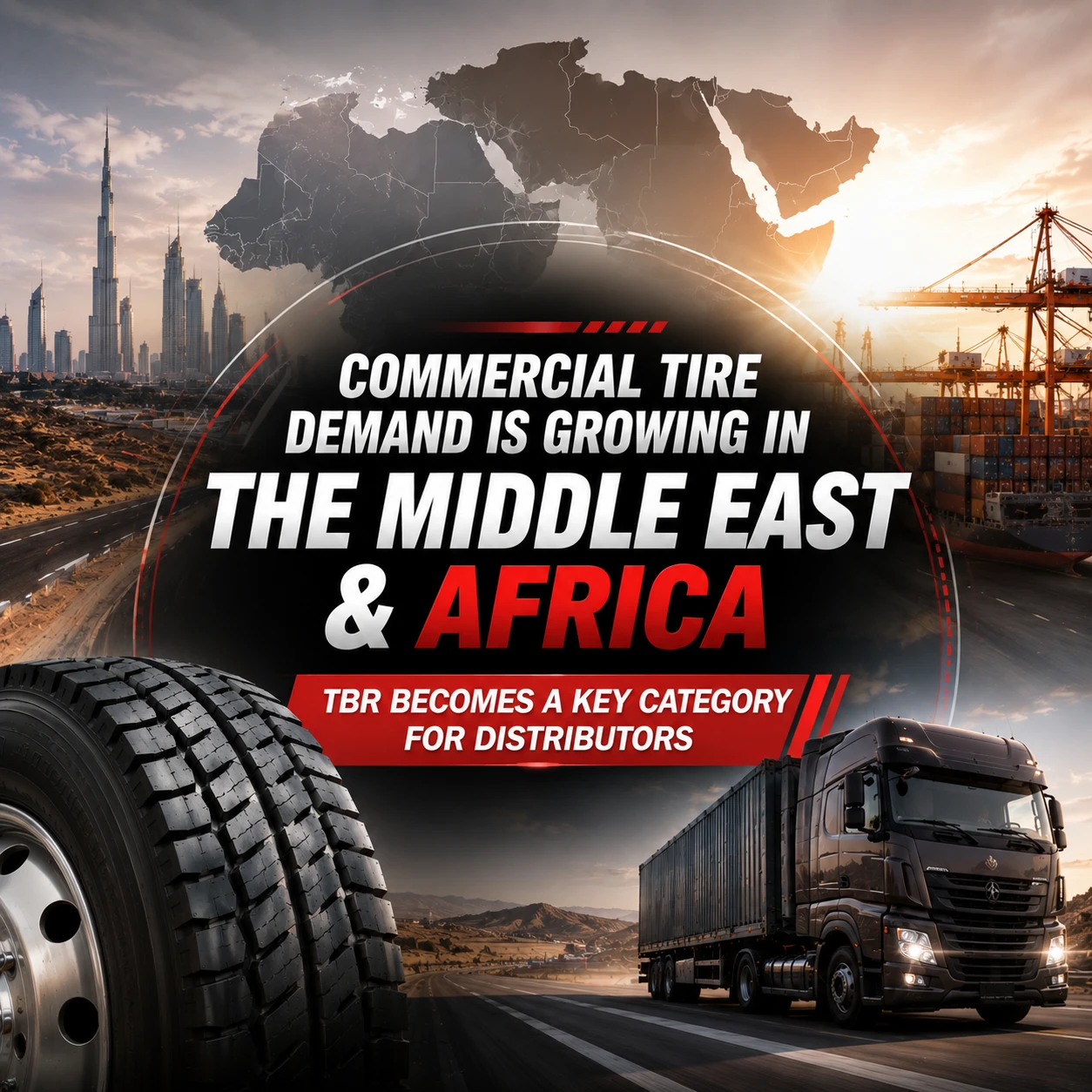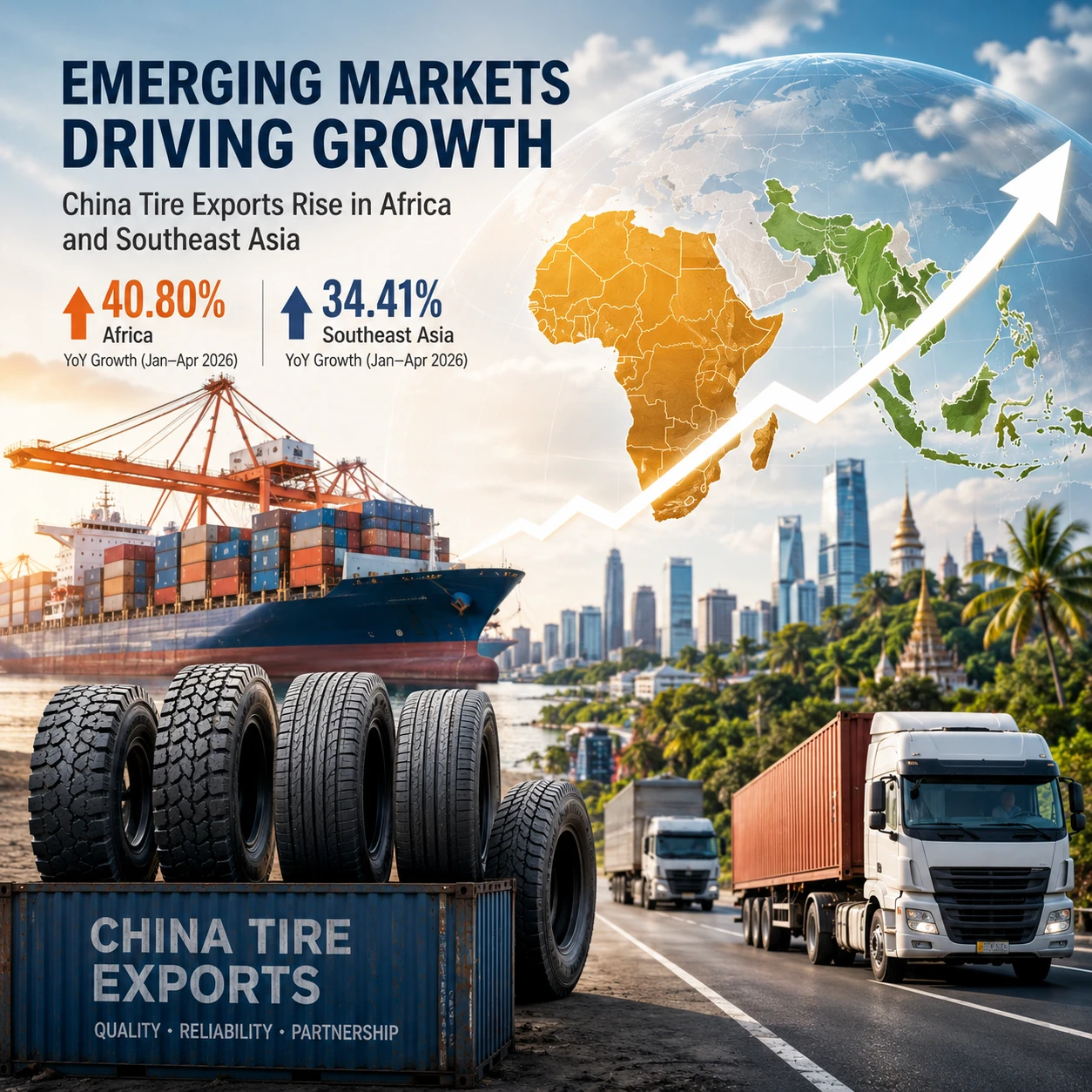







In global tire trade, overseas distributors need more than a price list. They need a partner who can understand the market, screen supply resources, coordinate order execution, and help control sourcing risks. For many importers, wholesalers, and private label operators, the challenge of sourcing tires from China is not only price, but also product matching, supply stability, document coordination, delivery management, and long-term feedback handling.
1. Why global distributors need a sourcing service partner
Tire products are complex. PCR, TBR, OTR, AG, ST, industrial tires, and specialty tires serve different end users, and each category has different logic for size, tread pattern, load, speed, certification, and price. For overseas distributors, comparing only unit price can easily overlook what the target market actually needs.
In real sourcing work, distributors also face supplier information gaps, inconsistent quotation formats, incomplete product data, production schedule changes, shipping delays, and different certification requirements in destination countries. A reliable China tire partner should help customers break the sourcing process into steps that can be judged, followed, and reviewed.
2. Cooperation starts with understanding the customer’s market
Tire demand varies significantly across markets. Customers in the Middle East may focus more on heat resistance, load, and wear performance. Latin American customers may care more about road conditions, price levels, and mixed-container flexibility. African markets may emphasize durability, replenishment stability, and commercial tire coverage. Europe and some mature markets may focus more on certification, labels, compliance documents, and brand image.
Before recommending products, it is important to understand the customer’s sales channel, target end users, main sizes, price positioning, competing brands, inventory capacity, and after-sales tolerance. Only after the market position is clear can product portfolio planning and supplier screening become meaningful.
3. Product portfolio planning matters more than a single quotation
For tire distributors, sourcing is not simply about finding a low price for one size. It is about building a product portfolio that can serve the market. A practical portfolio should cover core sizes, margin sizes, supporting sizes, and risk-control sizes, avoiding both excessive inventory spread and product line gaps.
- PCR tires: Focus on size structure, tread positioning, seasonal demand, label requirements, and brand acceptance.
- TBR tires: Review load, wear performance, retread potential, road conditions, and fleet feedback.
- OTR tires: Evaluate machine type, working conditions, tread depth, construction, and supply cycle.
- AG tires: Consider machine matching, soil conditions, low-pressure operation, IF/VF demand, and crop scenarios.
- ST and specialty tires: Check target application, load, safety margin, certification, and stable replenishment capability.
4. Supplier screening should look beyond price
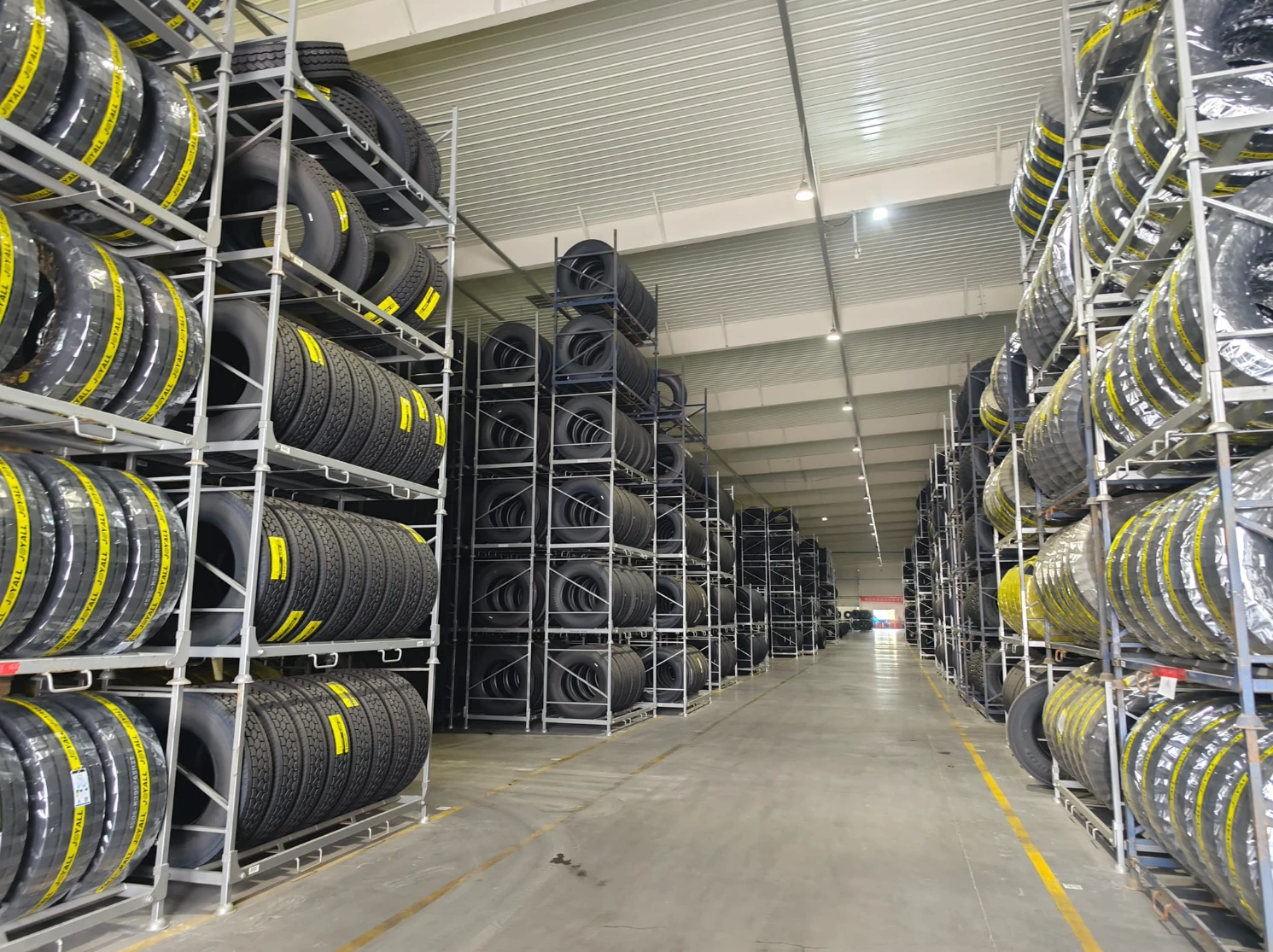
China has abundant tire supply resources, but not every supplier is suitable for every customer. Different factories vary in product range, quality control, certification coverage, order flexibility, delivery stability, packaging support, and after-sales cooperation.
The value of a professional sourcing service is to help customers identify supply resources that match their market, rather than simply listing several quotations. For long-term cooperation, supplier evaluation usually needs to consider the following factors:
- Product match: Whether the supplier covers the customer’s main sizes, target tread patterns, and price levels.
- Document capability: Whether the supplier can provide certification, labels, test data, or customs clearance documents required by the destination market.
- Order execution: Whether production, packaging, loading, and delivery coordination can be managed steadily.
- Quality feedback: Whether the supplier is willing to support issue analysis, batch tracing, and after-sales communication.
- Long-term fit: Whether the supplier fits the customer’s replenishment cycle, brand planning, and market development pace.
5. Quotation comparison should use the same basis
Tire quotation comparison should not only focus on the surface price. Payment terms, loading quantity, packaging method, brand authorization, certification documents, port charges, quotation validity, exchange rate, and production cycle may all differ from one offer to another. Without a unified comparison basis, a lower price does not always mean lower total sourcing cost.
For distributors, a better approach is to compare quotations under the same framework: same size, same tread grade, same load and speed parameters, same packaging requirement, same trade term, and a similar delivery cycle. Only then can price judgment reflect real sourcing value more accurately.
6. Order execution shows real cooperation capability
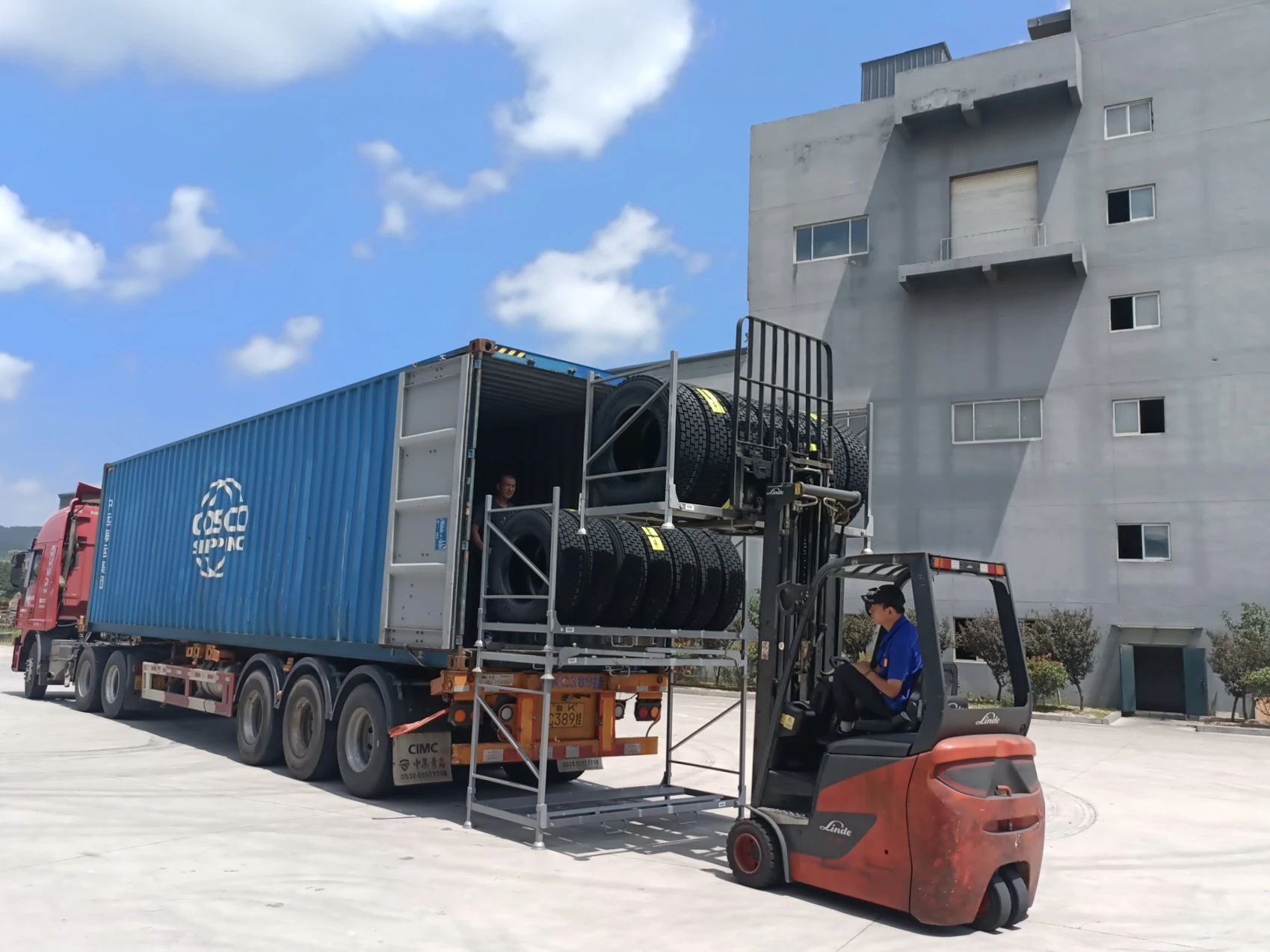
Many sourcing risks do not appear at the quotation stage, but during order execution. Production changes, packaging confirmation, shipping marks, label files, inspection arrangements, booking schedules, loading photos, bill of lading data, and customs clearance documents can all affect the customer’s sales plan.
A mature tire sourcing partner should continue to follow key order nodes after confirmation, so customers can understand progress in time and discuss solutions early when problems occur. For overseas customers, this type of execution coordination often creates more long-term value than a one-time price discount.
7. After-sales support should focus on a feedback mechanism
Tires are application-based products, and actual performance is affected by vehicles, roads, inflation pressure, load, driving habits, and maintenance. After-sales support should not be a simple verbal promise. It should be based on information collection, issue classification, photos, batch records, and technical judgment.
For overseas distributors, it is useful to build a basic feedback process: record the usage scenario, vehicle type, tire position, mileage or working hours, pressure condition, damage photos, and batch information. This helps distinguish product issues from usage issues, transportation issues, or installation and maintenance problems.
8. From supply cooperation to brand and private label support
For distributors planning their own brands, tire sourcing also involves brand design, sidewall information, labels, color cards, packaging, certification documents, and market launch timing. A private label project is not only about printing a brand name on a tire. It also requires product positioning, price structure, minimum order quantity, continuous replenishment, and market acceptance.
Based on a clear market plan from the customer, Lucky Lion Tire can assist with product portfolio advice, supply resource matching, and private label execution communication. Specific packaging, sidewall, label, and certification requirements should be confirmed according to factory standards, contract terms, and destination market regulations.
A good tire partnership does not only answer “what to buy”; it also clarifies why to buy, who to buy from, how to execute, and how to keep improving.
Conclusion
The global tire market continues to change. Distributors face not only product competition, but also supply chain, compliance, inventory, price, and customer service pressure. Instead of seeing China tire sourcing as a one-time transaction, it is better to manage it as a continuously optimized supply coordination system.
Lucky Lion Tire will continue to support overseas tire distributors, importers, wholesalers, and private label customers with China tire supply, supplier screening, quotation comparison, order coordination, and brand support in a professional, stable, and practical way. Specific cooperation should be confirmed according to customer market, product demand, order terms, and destination market requirements.