





Modern agricultural machines are becoming more powerful, more efficient, and heavier, which means farm tires are no longer used only to support the vehicle. For global agricultural tire distributors and importers, understanding IF/VF technology, low-pressure operation, soil protection, and machine matching has become an important capability for serving farm customers and planning product portfolios.
1. Farm tires now carry more complex responsibilities
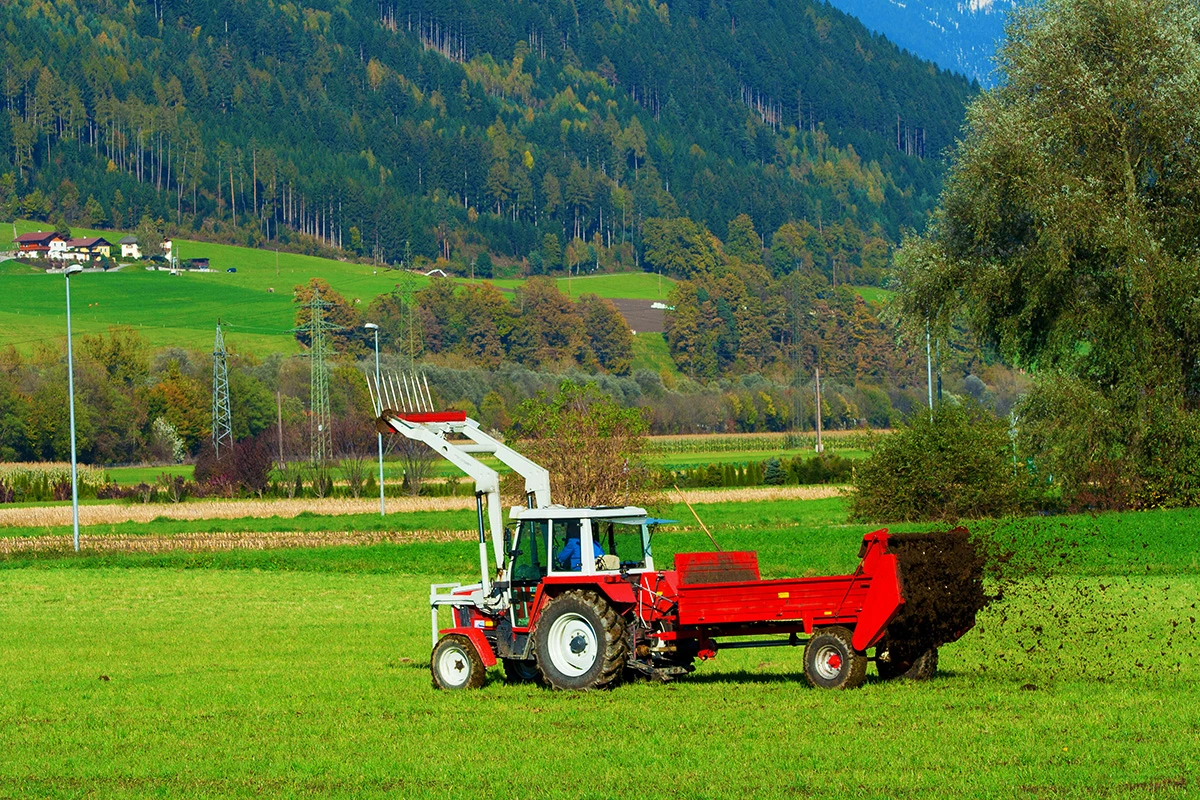
Tractors, combines, sprayers, seeders, fertilizer spreaders, and towed implements are becoming more efficient, while the weight carried by each machine is also increasing. Larger fuel tanks, grain tanks, seed boxes, and wider implements mean tires must switch between low-speed field traction and road transport.
For farms, an unsuitable tire choice can create several problems. Excessive slip increases fuel consumption and operating time. Incorrect inflation pressure may lead to abnormal tread wear. Too much ground pressure can increase soil compaction, affecting root growth, water infiltration, and long-term soil structure.
2. What is the practical value of IF and VF technology?
IF usually means Increased Flexion, while VF means Very High Flexion. Compared with standard agricultural radial tires, IF/VF tires use optimized casing structure, materials, and flexion capability to help machines carry the same load at lower inflation pressure or carry more load at the same inflation pressure under suitable conditions.
From a sourcing perspective, IF/VF should not be understood simply as a “higher-level tire”. Its real value appears when equipment needs lower field ground pressure, better traction efficiency, reduced slip, heavier implement carrying capability, or frequent switching between field and road operation.
It is important to note that IF/VF technology does not remove the need for pressure management. On the contrary, IF/VF tires only create value when inflation pressure is set according to load, speed, application, and the tire manufacturer’s load and inflation tables.
3. Soil compaction is a key issue in farm tire selection
Soil is one of the most important production assets on a farm. When heavy machines work on wet or soft fields, excessive ground pressure can cause surface or deep soil compaction. Compacted soil can reduce aeration, water movement, and root development, and may require additional tillage cost later.
A larger footprint and suitable low-pressure operation can help spread machine weight and reduce pressure per unit area. For distributors, farm tire recommendations should not focus only on wear resistance and price. Customers also need to understand how correct inflation, casing structure, and tread design help protect soil.
4. Different farm machines require different tire logic
- Tractors: Focus on traction, slip control, low-pressure field operation, road transport stability, and fuel efficiency.
- Combines: Review heavy load, seasonal intensive use, soft-field mobility, and reliability during harvest windows.
- Sprayers: Balance narrow crop-row operation, higher travel speed, liquid load, and field stability.
- Seeders and spreaders: Pay attention to soil disturbance, traction efficiency, compaction control, and continuous operation.
- Trailers and towed implements: Confirm load, speed, road use ratio, rim compatibility, and long-term inflation maintenance.
5. Tread selection must balance field traction and road wear
Agricultural tread design is not simply about choosing the deepest tread or the largest lug. Deep tread can improve soil bite and field traction, but if equipment spends significant time on road transfer, an overly aggressive traction pattern may increase noise, wear, and fuel cost.
For tractors and towed equipment, lug angle, lug spacing, shoulder mud evacuation, and tread contact continuity all influence slip, self-cleaning, road wear, and ride comfort. For sprayers and certain row-crop applications, narrow tire design, stability, and crop protection also need to be considered.
6. What distributors should consider when planning an agricultural tire portfolio
Agricultural tire distributors serve very different customers: large grain farms, dairy farms, sugarcane regions, orchards, ranches, and agricultural service contractors. Soil, climate, crop type, and machine structure vary by region, so the product portfolio should not be the same everywhere.
- Build by equipment type: Separate tractors, combines, sprayers, seeders, trailers, and towed implements.
- Build by technology level: Plan standard radial, IF, VF, and selected bias products for different budgets and applications.
- Build by crop market: Grain, cotton, sugarcane, dairy, ranching, and orchard applications have different tire requirements.
- Build by service capability: If customers lack pressure management ability, complex tire solutions should not be recommended blindly.
7. Information to collect before sourcing agricultural tires
To improve quotation accuracy and reduce after-sales risk, distributors should collect the following information before matching farm tires for customers:
- Machine brand, model, tire position, original tire size, and rim specification.
- Empty machine weight, loaded weight, axle load distribution, and main operating speed.
- Field-to-road use ratio and road transfer distance per trip.
- Soil type, moisture level, gradient, crop type, and operating season.
- Current problems: slip, soil compaction, sidewall damage, abnormal wear, pressure loss, or insufficient load capacity.
- Whether the customer has pressure checking, central tire inflation, tire records, and regular maintenance capability.
8. IF/VF tires are not a universal answer
IF/VF tires can provide more flexible load and pressure options for modern farm machines, but they are not suitable for every customer. If road transport ratio is high, inflation management is weak, rims are not compatible, or equipment use is simple and stable, a standard agricultural radial tire may still be the safer choice.
The value of a professional distributor is helping customers decide whether IF/VF is truly needed, instead of treating IF/VF as the default answer for every application. Correct selection should be based on load and inflation tables, equipment manuals, rim matching, and actual operating data.
The value of an agricultural tire is not only in load capacity, but also in soil protection, traction efficiency, fuel consumption, maintenance cost, and equipment reliability during busy seasons.
Conclusion
For the global agricultural market, tire distributors need to move from selling sizes to providing application-based product advice. IF/VF technology, low-pressure operation, and soil protection are becoming important topics in modern farm tire sales, but the real key remains understanding the working condition and matching the product correctly.
Lucky Lion Tire can support overseas agricultural tire distributors with product portfolio advice, supply resource matching, quotation comparison, and order coordination based on target market, equipment type, crop scenario, soil condition, and sourcing budget. Specific size, inflation pressure, load, speed, and rim compatibility should be confirmed according to tire product data, equipment manuals, and real end-use conditions.