




In the global tire distribution market, agents need more than product supply. They need a long-term partner who can support market entry, product portfolio planning, order execution, and brand development. For overseas tire importers, wholesalers, and private label operators, the value of stable cooperation is reflected in product-market fit, sustainable supply, clear communication, and controllable order execution.

1. Market challenges faced by global distributors
The tire market is becoming more segmented. Road conditions, vehicle structure, price acceptance, regulatory requirements, and end-user habits vary from region to region. A product portfolio that works well in one market may not be suitable for another.
For distributors, common challenges include inaccurate main-size selection, unreasonable inventory structure, inconsistent supplier quotations, insufficient certification documents, unstable delivery schedules, and after-sales feedback that is difficult to trace. These issues can affect sales rhythm and long-term profitability.
2. Cooperation should begin with market positioning
Before building cooperation, Lucky Lion Tire focuses more on the customer’s real market situation rather than directly recommending a fixed product list. Different customers may serve passenger car retail channels, truck and bus fleets, mining and construction projects, agricultural equipment users, or trailer application markets, and their product requirements are very different.
By understanding the target country, sales channels, key sizes, competing brands, price levels, and the customer’s inventory capacity, it becomes possible to judge suitable product categories, size structures, and supply rhythms.
3. Product portfolio is the foundation of distributor cooperation
For global distributors, product portfolio planning is more important than a single low-price product. A reasonable portfolio helps distributors cover core demand while avoiding excessive inventory spread or gaps in the product line.
- PCR tires: Suitable for retail, wholesale, and brand entry markets, with attention to size coverage, tread positioning, seasonal demand, and label files.
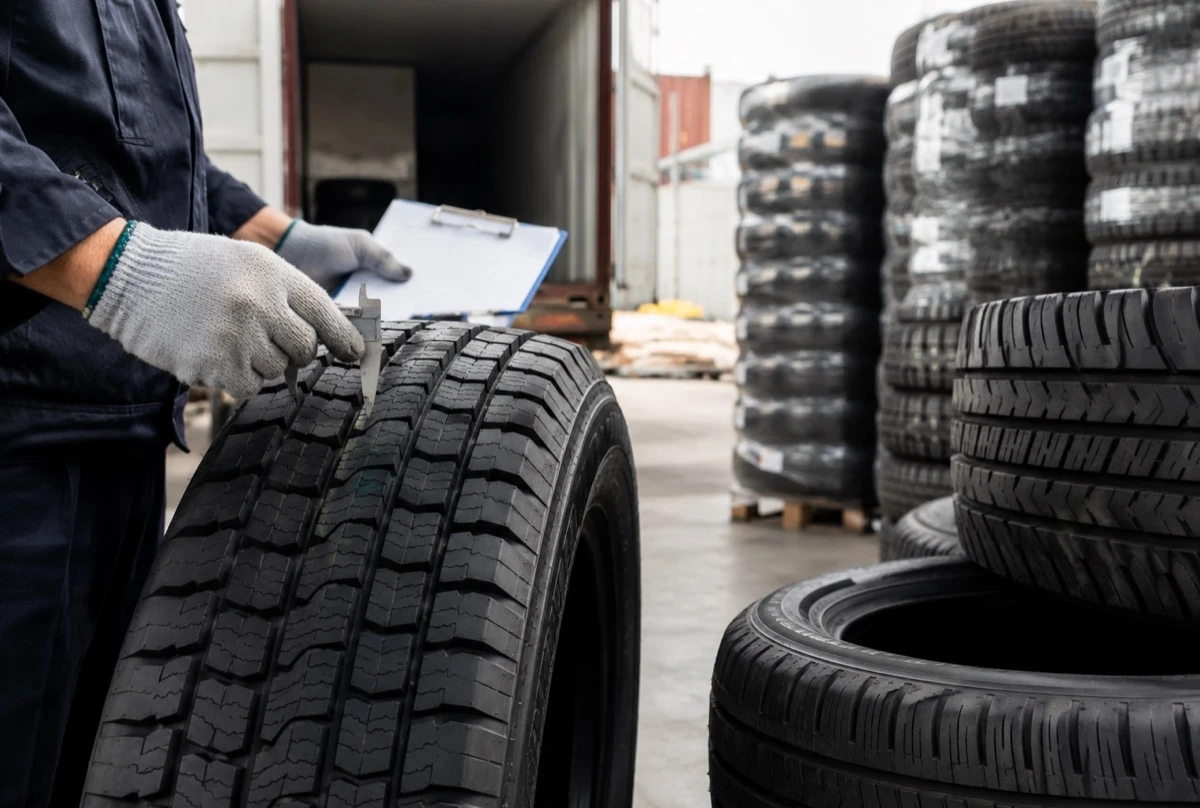
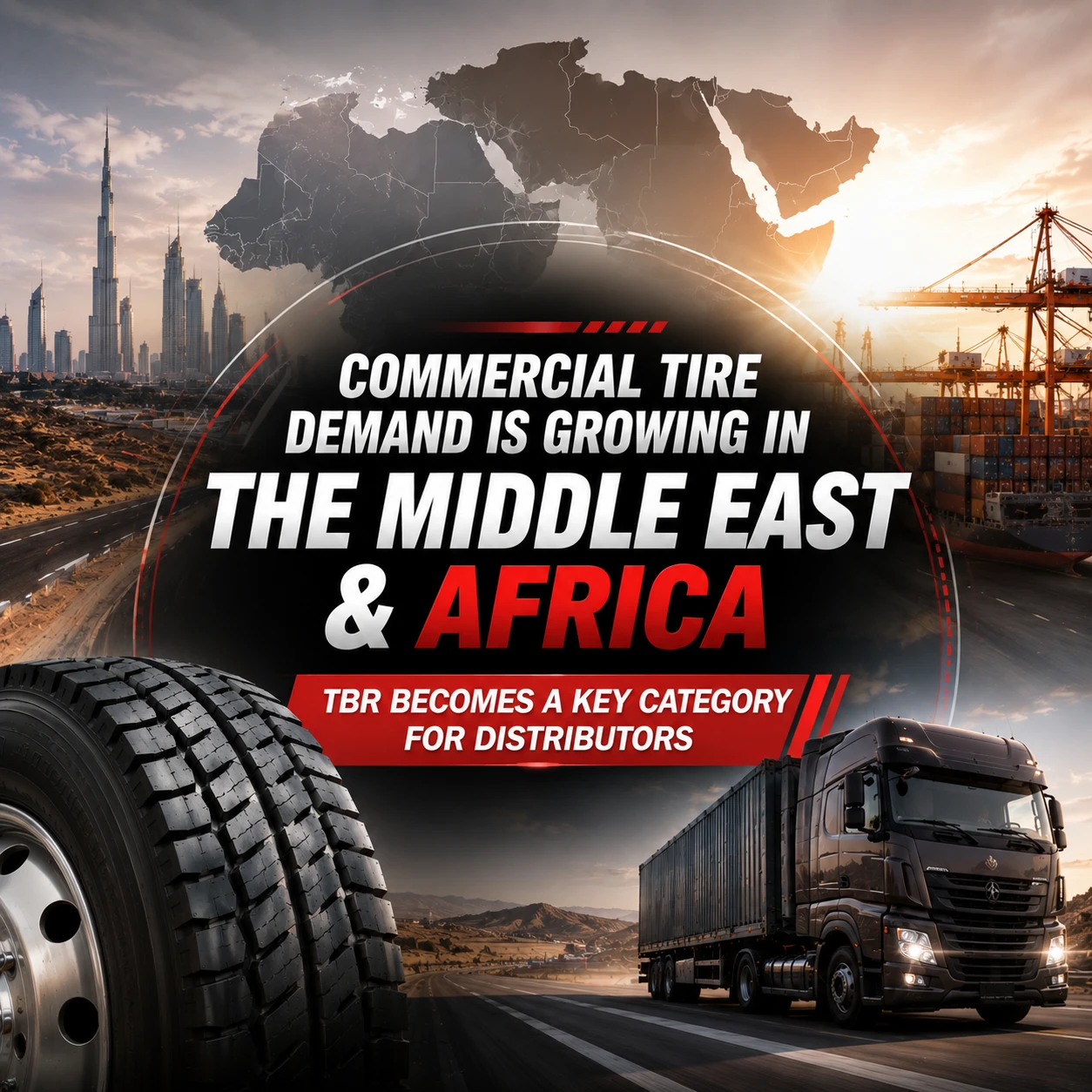
- TBR tires: For fleets, logistics, and regional transport customers, focusing on wear, load, road adaptability, and long-term replenishment capability.
- OTR tires: Serving mining, engineering, construction, and industrial scenarios, requiring evaluation by machine type, working condition, tread depth, and supply cycle.
- AG tires: Used for tractors, harvesters, sprayers, and agricultural implements, with attention to soil conditions, machine matching, and low-pressure operation needs.
- ST and specialty tires: Suitable for trailers, industrial use, ports, forklifts, and other special applications, with focus on load, safety margin, and application fit.
4. Matching supply resources is more stable than single-source supply
In China tire sourcing, the selection of supply resources directly affects product stability and order execution. Different factories vary in product range, certification coverage, minimum order quantity, packaging capability, delivery rhythm, and after-sales cooperation.
The cooperation model of Lucky Lion Tire emphasizes matching suitable supply resources according to the customer’s market demand, rather than only providing a single quotation. For customers at different development stages, price-oriented, stability-oriented, brand-oriented, or private label supply solutions can be planned separately.
5. Brand support should be built on product and supply stability
Many distributors want to build their own brands, but brand growth is not simply about changing packaging or sidewall names. A sustainable tire brand needs clear product positioning, stable size structure, repeatable supply resources, and a price system suitable for the target market.
For OEM and private label support, brand name, sidewall information, label content, color card design, packaging requirements, minimum order quantity, certification documents, and destination market regulations usually need to be confirmed in advance. All brand materials and packaging execution should be based on factory standards and actual contract confirmation.
6. Market materials and technical communication support sales
Mature distributor cooperation includes not only product supply, but also necessary market communication support. Product images, specification sheets, tread descriptions, application advice, certification documents, loading information, and basic sales materials can help distributors introduce products to end customers more effectively.
For application-based products such as TBR, OTR, and AG tires, technical communication is especially important. Customers need to understand suitable road conditions, machines, loads, speeds, and usage scenarios, not only size and price.
7. Order execution defines the cooperation experience
The real cooperation experience in tire trade often appears after order confirmation. Production scheduling, packaging, shipping marks, labels, inspection, booking, loading, bill of lading, and customs clearance documents all require timely communication and continuous follow-up.
For distributors, stable order execution helps arrange sales plans, inventory plans, and customer delivery. Compared with a one-time price discount, predictable, communicable, and traceable order coordination is more valuable for long-term cooperation.
8. Long-term cooperation requires feedback and review
After tires enter the market, real use feedback is important. Distributors should pay attention to end-user feedback on tread performance, wear, load, comfort, abnormal damage, and after-sales issues, while recording batch, vehicle, road condition, inflation pressure, and service cycle whenever possible.
Through continuous review, distributors can optimize product portfolios, adjust inventory structure, select more suitable supply resources, and improve the accuracy of the next sourcing cycle.
A truly valuable tire partnership is not only about completing one order, but helping distributors build a more stable, clearer, and more sustainable market supply capability.
Conclusion
The global tire distributor market continues to change. Distributors need to deal with product competition, inventory pressure, compliance requirements, price fluctuations, and customer service challenges. A stable tire supply and sourcing service partner can help customers turn complex purchasing processes into clearer cooperation paths.
Lucky Lion Tire will continue to provide practical support for overseas tire distributors, importers, wholesalers, and private label customers through product portfolio planning, supply resource matching, order coordination, OEM private label support, and brand assistance. Specific cooperation models should be confirmed according to customer market, product demand, order terms, and destination country requirements.