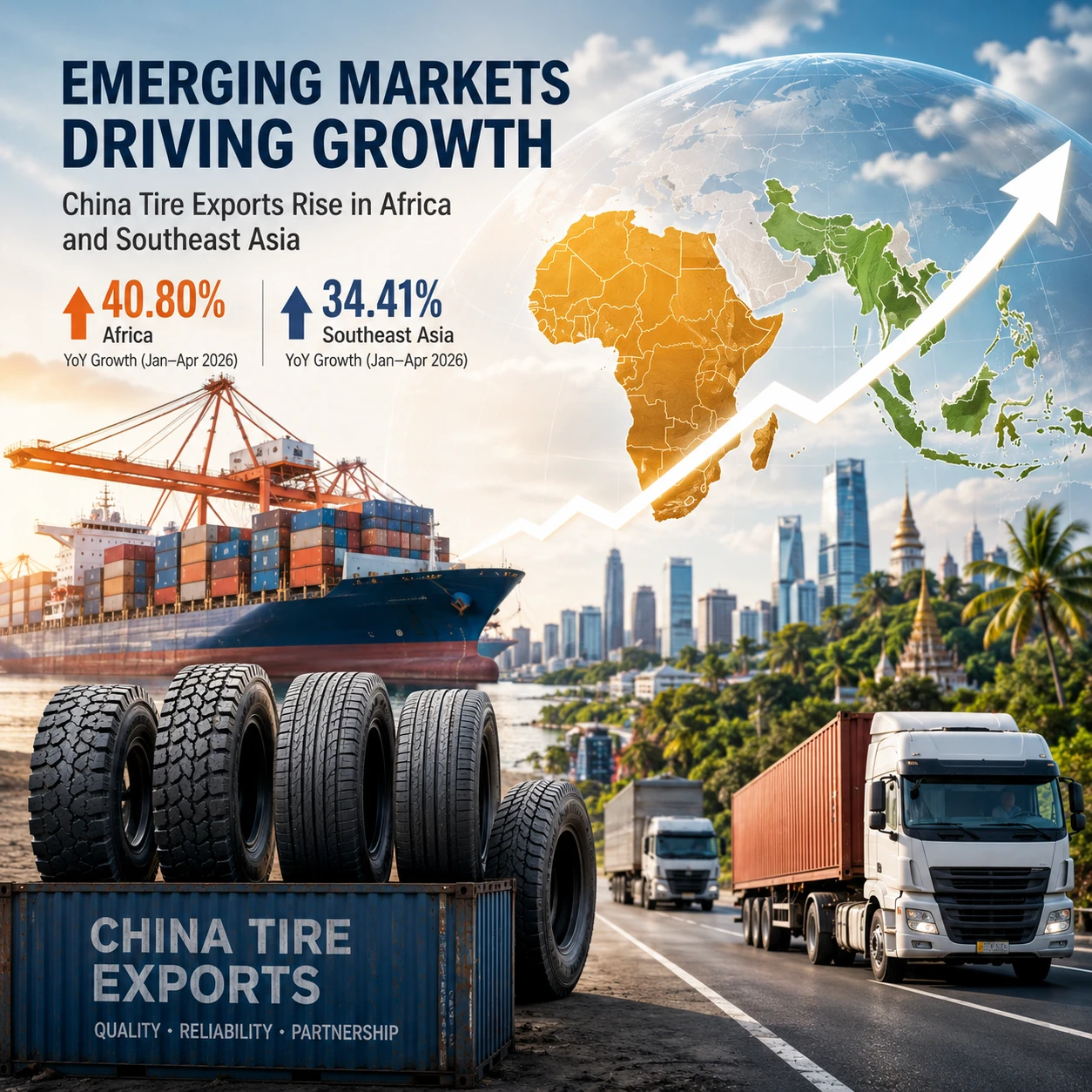





Based on publicly available information, China’s rubber tire production and export data showed positive growth in March and the first quarter of 2023. For overseas tire importers, distributors, and wholesalers, these figures reflect not only the production resilience of China’s tire industry, but also changes in global demand, sourcing planning, and supply chain coordination.
1. China’s tire output continued to grow in Q1 2023
According to data released by the National Bureau of Statistics, China’s output of rubber tire casings reached 90.865 million units in March 2023, up 11.3% year on year and 9.602 million units higher than the same period of the previous year. From January to March 2023, the cumulative output reached 219.979 million units, up 6.4% year on year.
Looking at the first quarter over the past three years, China’s tire production remained at a relatively high level. Q1 output was 214.716 million units in 2021, 206.323 million units in 2022, and 219.979 million units in 2023. Although each year was influenced by market demand, logistics conditions, and industry cycles, the overall production base remained stable.
2. Export volume and export value both increased
The data also showed growth in both China’s rubber tire export volume and export value in the first quarter of 2023. Export volume increased by 1.3% year on year to 139.07 million units, while export value rose by 20.4% to RMB 33.385 billion.
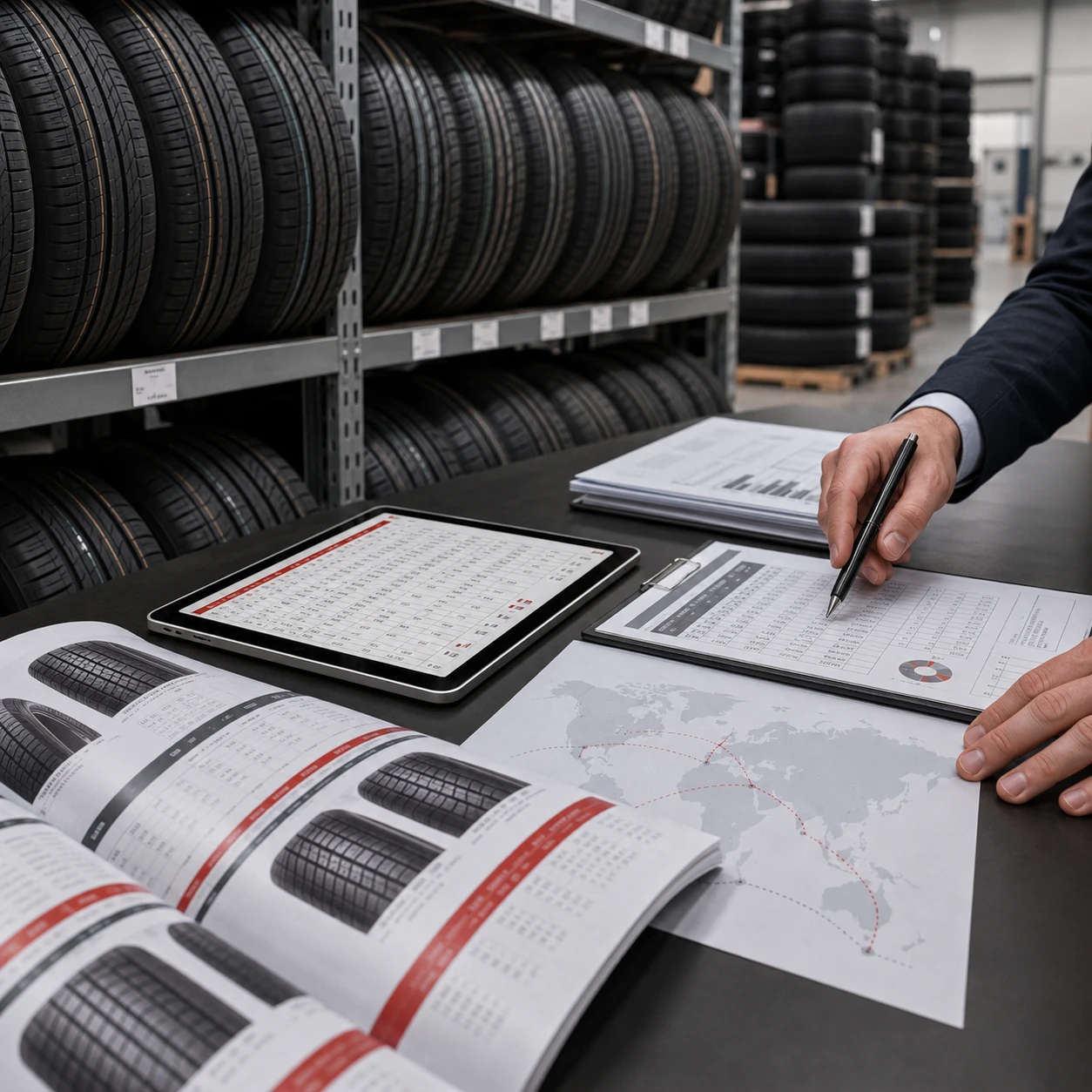
For overseas markets, the increase in export value may be related to product mix, destination market demand, price levels, freight costs, and exchange rates. For importers and wholesalers, the value of sourcing tires from China should not be judged only by a single FOB quote. Total landed cost, delivery schedule, certification requirements, and order execution stability also need to be considered.
3. Global automotive growth and emerging markets remain important drivers
Tire demand is closely connected with the automotive industry, infrastructure development, urbanization, and commercial transportation activity. As industrialization and urbanization continue in emerging markets such as China, India, and Brazil, demand for passenger cars, trucks, buses, and construction vehicles continues to support the tire market.
At the same time, technology upgrades and changing consumer preferences are driving demand for high-performance tires, more environmentally oriented products, and tire patterns suited to different road and climate conditions. For overseas distributors, product portfolio planning is becoming increasingly important.
4. What this means for overseas tire buyers
Higher output and exports do not mean every sourcing project can be managed only around low prices. For customers who plan to purchase Chinese tire products over the long term, the more important task is to build a stable, clear, and trackable sourcing system.
- Focus on product portfolio: Plan PCR, TBR, OTR, AG, ST, and specialty tires according to target market demand.
- Compare real costs: In addition to unit price, buyers should assess freight, customs clearance, certification, packaging, and inventory turnover costs.
- Pay attention to order execution: Production scheduling, label confirmation, loading documents, and export paperwork all affect delivery efficiency.
- Control supply chain risks: Multi-supplier sourcing and private label projects require clearer milestone management and risk reminders.
A stable supply plan is often more valuable than a one-time low quote for overseas tire businesses.
Conclusion
The growth of China’s tire output and exports in the first quarter of 2023 reflects the continued influence of China’s tire industry in both domestic and international markets. For overseas importers, distributors, and private label operators, future sourcing decisions need to balance market demand, product fit, supplier selection, and order coordination.
Lucky Lion Tire follows global tire market changes and China supply chain developments, providing overseas customers with tire trading supply, supplier screening, product portfolio advice, order coordination, and private label project support.